
I loved working with teenagers. Even with all the challenges of navigating hormones and high school, they are wonderful, raw, unfiltered humans, still filled with passion and humor and alive-ness that gets bludgeoned out of adults by work and bills and obligations. Teenagers do NOT tolerate bullshit and can smell it a mile away.
Participation trophies: the toxic brainchild of someone, either Boomer or GenX, to smooth the ruffled feathers of a 4 year old who shouldn’t have been in organized sports yet. This pacifier might work OK (I won’t say well) for little tiny kids, to reinforce that showing up and trying deserve acknowledgment, but they need to be phased out by the time kids hit about 8 years old. They catch on pretty quickly that participation ribbons and trophies mean nothing, and by the time they’re teenagers, those expensive little trinkets are being thrown in the trash as soon as Mommy’s back is turned. The “reward for breathing” is bullshit, and every teenager knows it. With teens, giving them praise when they know they don’t deserve it earns you a healthy amount of disrespect and a reputation as a liar. Period.
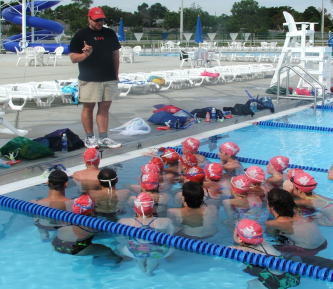
I’m not going to lie: I was a tough coach. (Or, as the misogynistic moms used to say “mean”. Eyeroll.) I had high expectations, pushed my swimmers to do their best, and absolutely would NOT tell someone they were doing great if I didn’t mean it. As a result, the kids knew when they got praise, it was real and truly meant something. I was honest about the hard work they needed to do to reach their goals and didn’t sugar coat it. There were days when they hated my honesty, and me, but even on those days, they trusted me. They trusted I was telling the truth. They trusted that no matter what, they could count on me. They trusted that even when they were hating me, I was still in their corner.
I think often of those teenagers and what coaching them taught me, and I’ve tried to translate it to what we’re going through right now as adults in this country. Adults still want “no bullshit” people in their lives, and as vile as I personally find our former-soon-to-be-again president, I do see how some equate his constant hateful, tactless, shit-talking to being “no bullshit”. He is awful, but he doesn’t hide it or pretend otherwise. He lies constantly but doesn’t excuse it. He may drown you in an avalanche of manure, but you know where you stand while he’s doing it. For a LOT of people, that’s enough to be able to hang adjectives on him like “honest” or “real”. There’s an old adage: don’t piss on my leg and tell me it’s raining—I’m guessing part of the attraction of DJT is that he just tells people he’s pissing on them and doesn’t care.
Democrats, on the other hand, are so busy trying to please everyone that no one trusts them, even when they have good policies. The truth is that most people DO like their policies, when you remove a reference to what party proposes it; the dislike and distrust come in when people know who is behind it. Even the people they’re trying to help don’t trust them. The people pleasing looks like pandering and ends up meaning as much as those participation trophies. They talk big about fighting, but then roll over and show a soft belly in the face of election results that at minimum deserved calls for a recount. They now seem unreliable as well as dishonest, which has undercut every good idea they have.
Here’s the thing: you can have a big tent and a big heart and try to do what’s right for all of America without abandoning being “real”. Alexandria Ocasio Cortez and Jasmine Crockett are doing it daily, and there are people that voted for them while also voting for DJT…for the same reason! They found them to be genuine, and that means a hell of a lot to people.
Those of us who oppose the direction this country is about to go have a very hard row to hoe ahead, and the first thing that needs to happen is a rebuilding of trust. We have to go back to basics of being genuine and straightforward, and our word meaning something that is true and that people can rely on. Honestly, I think it’s going to come from those of us who have never run for office and tend to be disgusted with the status quo of politics; we will need to step up and change this mess. It is easy to sit in the bleachers and watch and second guess. If we want to achieve a different end than oligarchy and wage slavery, we need to step off the bleachers and suit up.
Just showing up is not enough. If we want the trophy, we absolutely have got to do the hard work and swim the race to win.
 Swim In Your Life